GeForce NOW Expands Cloud Gaming Library With Aniimo Launch and Major Technical Upgrades for 007 First Light


The landscape of high-fidelity cloud gaming continues to shift as NVIDIA’s GeForce NOW platform announces its latest weekly expansion, headlined by the debut of Pawprint Studio’s creature-catching adventure, Aniimo. This week’s update is significant not only for its library additions but for the technical refinement of existing titles, most notably the integration of path-tracing technology into the critically acclaimed 007 First Light. As the gaming industry pivots further toward device-agnostic streaming, these updates serve as a bellwether for how high-end graphical fidelity—once tethered to expensive local hardware—is becoming accessible to users on modest devices, including handhelds and standard web browsers.
The expansion arrives at a time when cloud gaming service providers are increasingly competing on technical parity with local consoles and PCs. By bypassing the need for massive local storage—exemplified by Aniimo’s 45GB installation requirement—NVIDIA is aiming to reduce the friction between discovery and play.
The Arrival of Aniimo: A New Paradigm for Creature-Collection Games
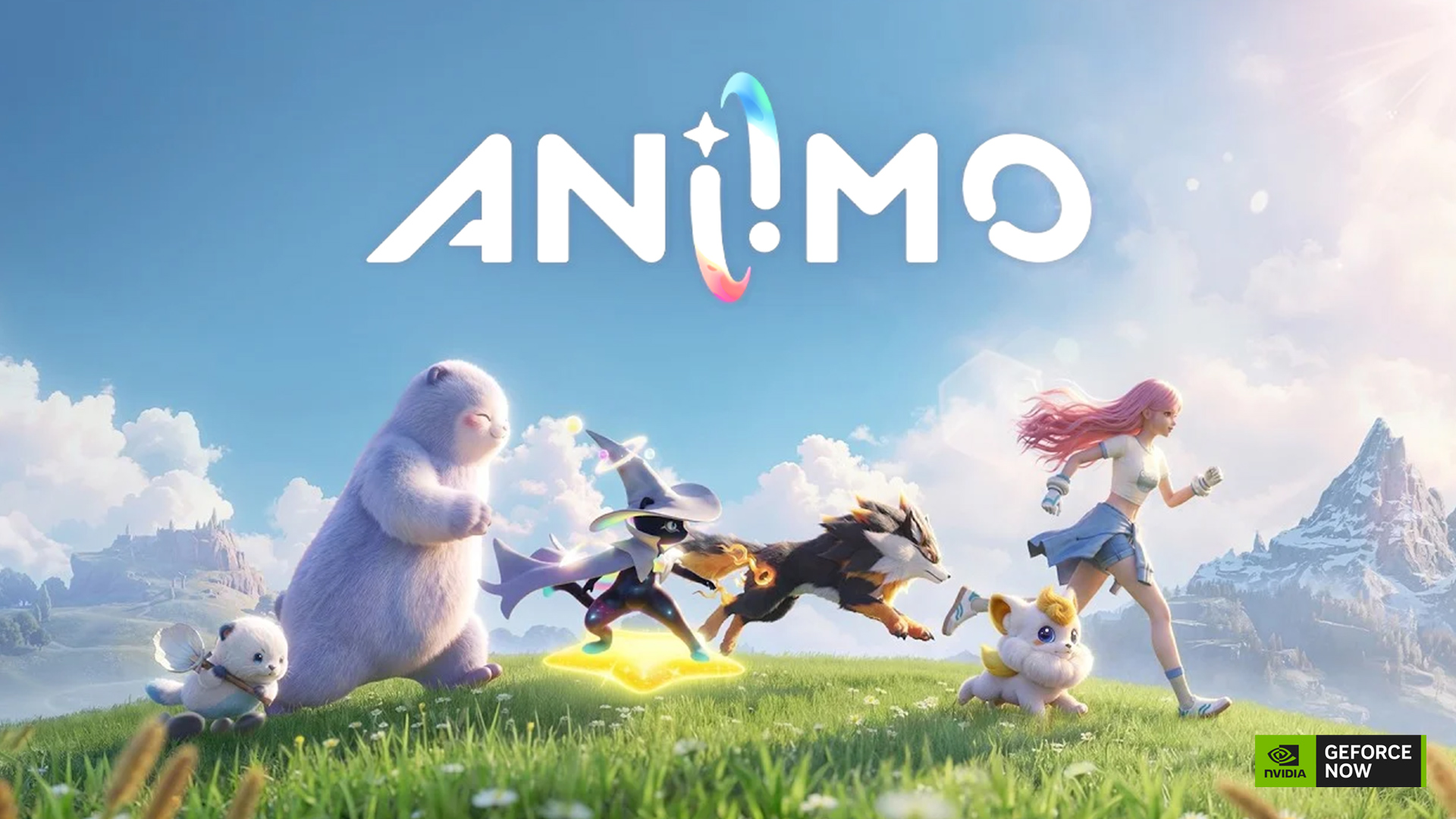
Aniimo, developed by Pawprint Studio, represents a modern entry into the creature-collection genre, emphasizing open-world traversal and environmental interaction. Players are tasked with exploring the vibrant, expansive continent of Idyll, utilizing a core mechanic referred to as "Twining." Unlike traditional turn-based creature collectors that focus primarily on combat, Aniimo incorporates a symbiotic gameplay loop where players can physically transform into the creatures they have captured.
This mechanic serves a functional purpose, allowing players to solve environmental puzzles and traverse difficult terrain through specialized abilities such as gliding, burrowing, and underwater navigation. The inclusion of a customizable, mobile "Homeland"—an RV that serves as a base of operations—adds a layer of base-building and social simulation that mirrors current trends in the genre toward long-term player engagement.
From a technical perspective, the deployment of Aniimo on GeForce NOW at launch is a strategic move to capture the handheld market. With full support for the Steam Deck and the recently integrated Firefox browser functionality, the game is playable on a wide array of hardware that would otherwise struggle to meet the recommended system requirements for a modern, open-world title.
007 First Light: Technical Evolution Through Path Tracing
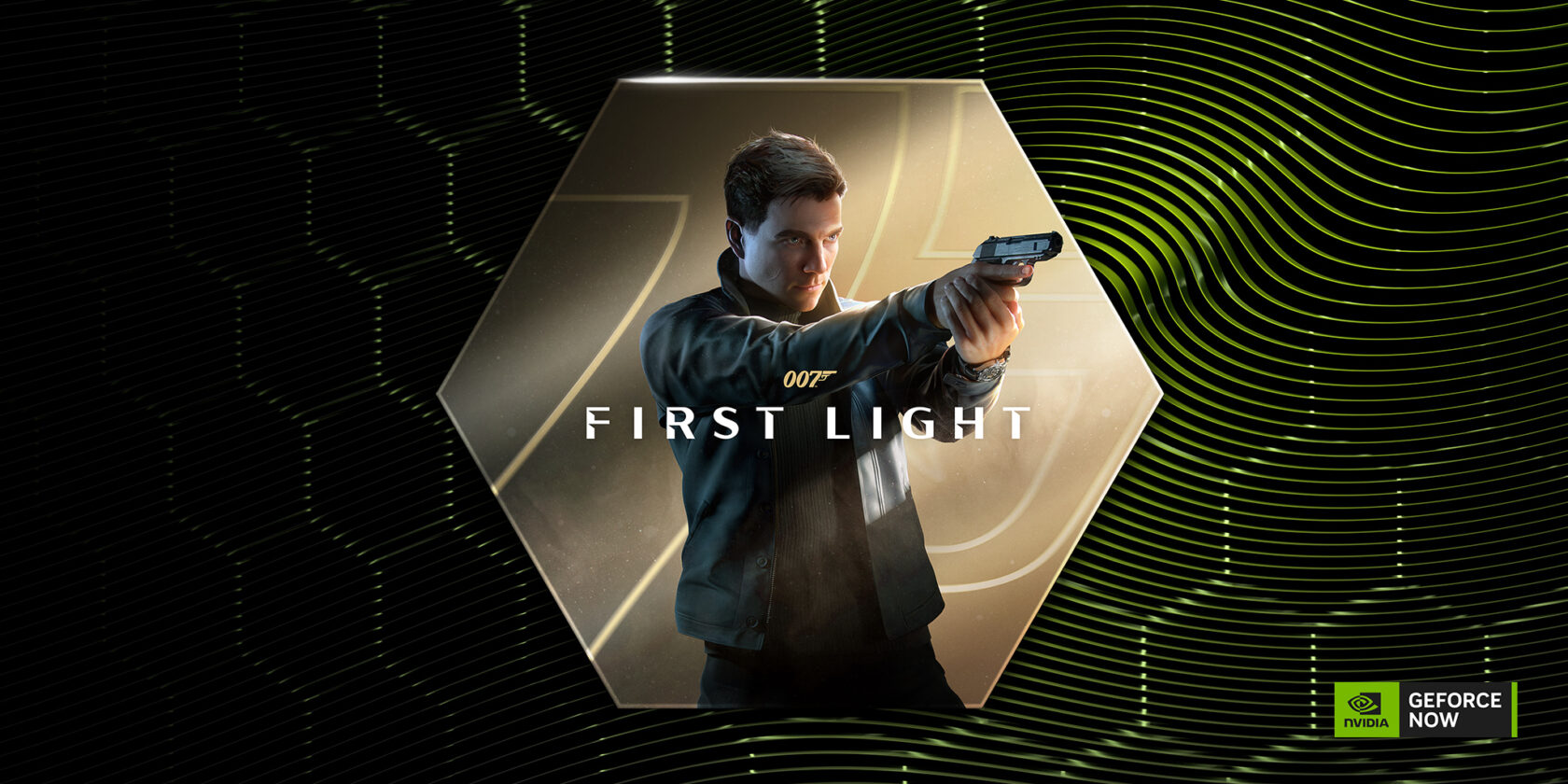
Perhaps the most significant development this week is the technical overhaul of 007 First Light, the latest installment in the storied James Bond franchise. Developed by IO Interactive, the game has been updated to include full path tracing, a rendering technique that simulates the physical behavior of light with unprecedented accuracy.
Path tracing calculates the path of individual light rays as they bounce off surfaces, creating physically accurate shadows, reflections, and global illumination. When combined with NVIDIA’s DLSS 4.5 Ray Reconstruction technology, the result is a massive increase in visual fidelity that mitigates the noise and artifacts typically associated with traditional ray tracing.
This update represents the ongoing collaboration between IO Interactive and NVIDIA to leverage cloud-based compute power to push the boundaries of what is possible in real-time rendering. For GeForce NOW Ultimate members, this means access to RTX 5080-class performance in the cloud, capable of outputting at 5K resolution with high dynamic range (HDR) color support. By offloading these intensive calculations to the server side, users with lower-end local machines can experience the same graphical fidelity as those running high-end, enthusiast-grade desktop PCs.
To capitalize on this technical milestone, the 007 First Light Deluxe Edition is currently being offered at a discounted rate. The promotional window for Steam users runs from September 15 to September 29, while Epic Games Store users have a shorter window, concluding on September 18. This strategy serves as an incentive for new players to enter the ecosystem while simultaneously promoting the new graphical features.
Portfolio Diversification: Active Matter and Outer Wilds
Beyond the marquee additions, the GeForce NOW library is bolstering its catalog with a diverse array of genres, most notably through the inclusion of Active Matter and the critically lauded Outer Wilds.
Active Matter, a title from Gaijin Network, introduces a "fractured-multiverse" premise that blends the high-stakes tension of extraction shooters with the unpredictability of time-loop mechanics. The game requires players to enter volatile zones, scavenge for resources, and extract before the reality of the map collapses. The inclusion of this title on GeForce NOW underscores the platform’s utility for competitive multiplayer games, where low latency and high frame rates are critical. By streaming these titles via the cloud, NVIDIA aims to maintain a stable, competitive environment that minimizes the input lag typically associated with remote gaming.
Simultaneously, Annapurna Interactive’s Outer Wilds offers a starkly different experience. Widely considered one of the most influential narrative-driven games of the last decade, it tasks players with uncovering the secrets of a solar system trapped in a 22-minute time loop. Its arrival on the platform provides a more accessible gateway for players who may not own high-end hardware but wish to experience the game’s complex, physics-based puzzles and atmospheric storytelling.
Strategic Implications for the Cloud Gaming Sector
The integration of these 11 new titles reflects a broader trend within the industry: the transition from "playing a game" to "accessing an experience." By removing the barrier of hardware acquisition, platforms like GeForce NOW are changing the economics of game distribution.
Market Context and Data Analysis
The market for cloud gaming is projected to continue its trajectory of rapid growth. According to industry analyst reports, the global cloud gaming market is expected to reach a valuation of approximately $20 billion by 2030, driven largely by the proliferation of 5G infrastructure and the standardization of low-latency streaming protocols. NVIDIA’s focus on RTX 5080-class hardware in the cloud is a direct response to this, positioning the service as a premium alternative to traditional console hardware cycles.
Furthermore, the "Day Pass" model mentioned in the service’s documentation is a key economic lever. By allowing users to test high-performance tiers for a nominal fee—which can then be credited toward a monthly subscription—NVIDIA is effectively lowering the customer acquisition cost (CAC) while simultaneously reducing the barrier to entry for casual gamers who are curious about the benefits of path tracing and high-frame-rate gaming.
Challenges and Future Outlook
Despite the technological advancements, the platform faces ongoing challenges related to network stability and geographical latency. While the cloud infrastructure is robust, the end-user experience remains contingent upon the quality of the local internet connection. However, the consistent addition of "Day One" releases, such as Aniimo, indicates a strong commitment from publishers to treat cloud platforms as primary distribution channels rather than secondary markets.
The decision to include titles like Outer Wilds—which relies heavily on precise physics calculations—alongside high-octane shooters like Active Matter, demonstrates a confidence in the platform’s ability to handle diverse engine requirements. As the industry looks toward the next generation of software, the ability to deliver these experiences without requiring a local GPU upgrade will likely become an increasingly standard expectation for consumers.
Conclusion
The latest update to GeForce NOW is more than a list of new titles; it is an assertion of the platform’s role as a high-performance alternative to traditional gaming hardware. Whether through the inclusion of indie-developed gems like Aniimo or the graphical prestige of 007 First Light’s path-tracing update, the service continues to bridge the gap between high-end enthusiast gaming and mainstream accessibility. As the platform moves forward, the focus will likely remain on expanding its library of day-one releases and further refining the visual quality of its cloud-rendered streams, ensuring that the next leap in gaming technology does not leave those without top-tier hardware behind.
Related posts: